
Empowering Pharma with LIMS: The Backbone of Modern Laboratory Operations
In the pharmaceutical industry, where precision, compliance, and efficiency are paramount, a Laboratory Information Management System (LIMS) has evolved from a helpful tool into a strategic necessity. Whether you’re managing stability studies, batch release testing, or method validation, a robust LIMS streamlines workflows, enhances data integrity, and ensures regulatory compliance — all while boosting productivity.
What is LIMS
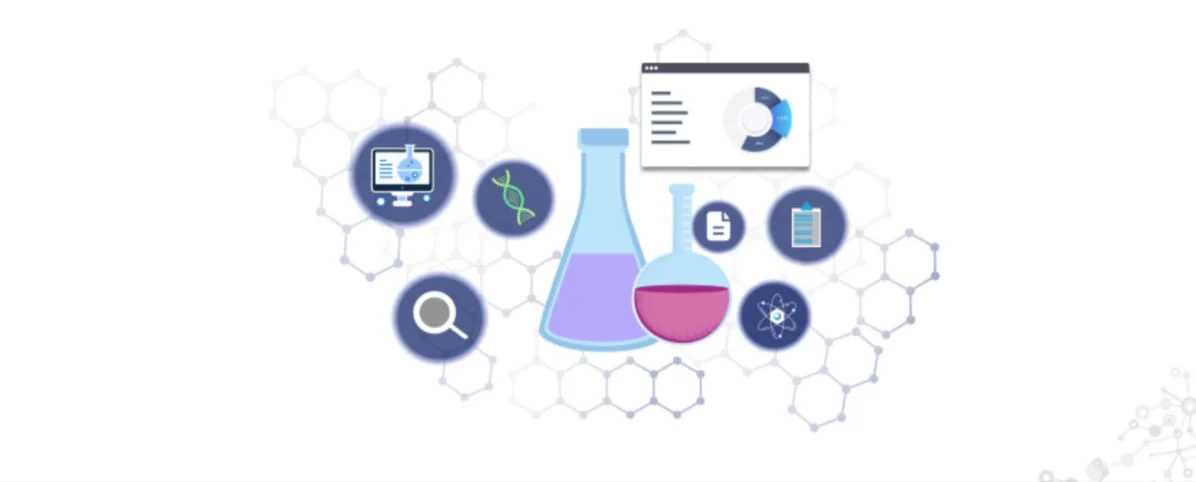
A Laboratory Information Management System (LIMS) is a software solution designed to manage samples, associated data, laboratory workflows, and reporting. In pharma, LIMS goes beyond simple sample tracking — it integrates with instruments, automates repetitive tasks, enforces SOPs, and maintains a complete audit trail in compliance with industry regulations like FDA 21 CFR Part 11, EU Annex 11, and GAMP 5.
Why Pharma Needs LIMS More Than Ever
Pharmaceutical laboratories face increasing challenges:
-
Stringent regulatory oversight
-
Rising R&D complexity
-
Pressure to reduce time-to-market
-
Data explosion from high-throughput testing
A modern LIMS addresses all these by acting as the digital nervous system of the lab, orchestrating people, instruments, and processes with precision.
Key Features of a Pharma-Focused LIMS
-
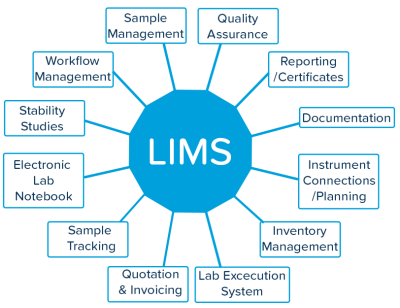
Sample and Workflow Management
Automatically track samples from receipt to disposal, enforce standardized workflows, and eliminate bottlenecks through real-time monitoring. -
Regulatory Compliance
Built-in features ensure compliance with FDA, EMA, and other global regulations. Role-based access, audit trails, and electronic signatures provide the necessary controls. -
Instrument Integration and Automation
Seamless integration with instruments like HPLCs, GCs, and balances enables automated data capture, reducing transcription errors and improving throughput. -
Stability Study Management
Manage complex stability studies with pre-configured templates, automatic scheduling, and integrated data analysis tools. -
Quality Control (QC) and Assurance (QA)
Centralize test results, set up automated alerts for out-of-spec (OOS) results, and streamline deviation and CAPA processes. -
Electronic Lab Notebook (ELN) Integration
Combine the structured data of LIMS with the flexibility of ELNs for full traceability and streamlined documentation. -
Reporting and Analytics
Generate batch reports, CoAs, trend analyses, and dashboards — all customizable and audit-ready.
Choosing the Right LIMS for Your Pharma Lab
When evaluating LIMS vendors, consider these criteria:
-
Pharma-Specific Experience: Look for vendors with a proven track record in regulated environments.
-
Scalability: Your LIMS should grow with your pipeline, not limit it.
-
Cloud vs On-Premise: Cloud-based LIMS offer flexibility and scalability, while on-premise systems can give greater control.
-
Ease of Integration: Ensure compatibility with your existing instruments, ERP, MES, and document management systems.
-
Customization and Support: Opt for systems that allow configuration without deep coding and offer strong post-deployment support.
The Truchemy Challenge: Complex Data, Stringent Compliance
Before the LIMS implementation, our labs were facing common but critical challenges:
-
Fragmented data silos across departments
-
Manual processes prone to human error
-
Cumbersome regulatory reporting
-
Delayed turnaround on quality control and R&D data
These inefficiencies weren’t just slowing us down—they posed risks to both compliance and innovation.
The Solution: A Purpose-Built LIMS for Pharma
After careful evaluation, we implemented a tailored LIMS platform built with the pharmaceutical industry’s needs at its core. Key capabilities included:
-
Automated Sample Tracking: From initial intake through testing and final disposition, every sample is now digitally tracked with full audit trails.
-
Data Centralization: All lab data—whether from QC, R&D, or stability studies—is accessible in one secure, searchable platform.
-
Instrument Integration: Real-time data capture from analytical instruments like HPLC, GC, and spectrometers, reducing manual entry and errors.
-
Regulatory Readiness: Built-in compliance with FDA 21 CFR Part 11, GxP, and ISO standards, making audits and inspections smoother.
-
Configurable Workflows: Custom workflows that reflect our internal SOPs, from method validation to batch release testing.
The Impact: Smarter Labs, Faster Progress
Since the rollout of LIMS, the transformation at Truchemy has been tangible:
-
30% Faster Sample Throughput: Thanks to automated workflows and reduced bottlenecks
-
Improved Data Integrity: With version control, audit trails, and electronic signatures
-
Streamlined Collaboration: Cross-functional teams can now access and share data effortlessly, even across sites
-
Better Decision-Making: Real-time dashboards and analytics help us identify trends, outliers, and risks before they escalate
LIMS in Action: Supporting Drug Discovery to Post-Market Surveillance
At Truchemy, LIMS doesn’t just support the lab—it enables the entire lifecycle of pharmaceutical development:
-
In Discovery: High-throughput screening data is centralized for rapid analysis and decision-making
-
In Development: Stability and formulation testing are documented and tracked systematically
-
In Manufacturing: Quality control and batch release are aligned with regulatory expectations
-
Post-Market: Ongoing quality and pharmacovigilance testing are managed with precision
The Future of Pharma Labs is Digital
As AI and machine learning begin to influence pharma research, LIMS will play a pivotal role in structuring the data foundation for these advanced technologies. A next-gen LIMS isn’t just about managing samples — it’s about enabling data-driven science and accelerating innovation.
Conclusion
Investing in a LIMS is not just about adopting new technology—it’s about embracing a strategic tool that enhances compliance, productivity, and data integrity. For pharmaceutical companies aiming to stay competitive and compliant, LIMS is no longer optional—it’s essential.